Packing carry-on only is one of the most liberating travel decisions you can make. No checked baggage fees, no waiting at the carousel, no risk of lost luggage, and the freedom to walk straight off the plane and into your trip. But carry-on only travel requires strategy. This complete guide covers exactly what to pack, how to fit it all in, and which airlines' rules to navigate — so you can travel light without ever feeling like you've left something behind.
For a personalised carry-on packing list based on your destination, trip length, and travel style, use the free AIPackList tool.
Carry-On Size Rules by Airline
Before you pack a single item, know your airline's carry-on allowance. Rules vary significantly and enforcement has tightened on budget carriers.
Common carry-on size limits
- Most full-service airlines (United, British Airways, Emirates, Singapore) — 55 x 40 x 20cm, up to 10kg
- Ryanair — 40 x 20 x 25cm (small bag, free); 55 x 40 x 20cm (large, paid priority boarding required)
- EasyJet — 45 x 36 x 20cm, free; larger bags require payment
- AirAsia — 56 x 36 x 23cm, 7kg
- Southwest (USA) — 56 x 36 x 23cm, no weight limit
Always check your specific airline's current policy before packing. A bag that fits one airline may be rejected by another. When in doubt, go smaller and lighter.
Choosing the Right Carry-On Bag
Your bag choice determines everything about carry-on only travel.
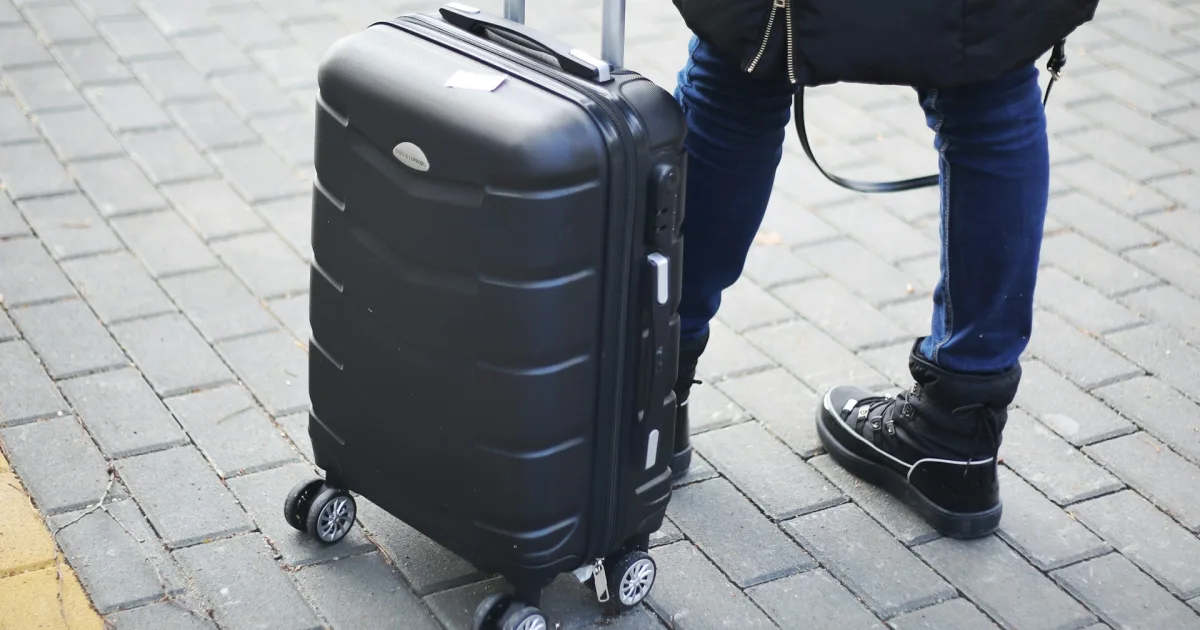
Hard-shell spinner suitcase
Best for trips where you'll be based in one place or moving between hotels. Rolls easily, protects contents well, and fits overhead bins reliably. Downside: not ideal for cobblestones, stairs, or unpaved surfaces.
Soft-shell carry-on bag
Slightly more compressible than hard-shell — useful if your bag is borderline on size. Many soft bags have external pockets for quick-access items.
40L backpack
The best choice for multi-destination trips, hiking, or any travel involving uneven terrain. Many 40L backpacks meet carry-on dimensions on most airlines. Look for a clamshell opening (opens flat like a suitcase) rather than a top-loading hiking pack — much easier to pack and unpack efficiently.
Personal item bag
Most airlines allow one personal item in addition to carry-on — typically a handbag, laptop bag, or small backpack (40 x 30 x 15cm approximately). Use this for your most-needed items: laptop, documents, snacks, and anything you want during the flight.
The Carry-On Only Clothing Formula
Clothing is the biggest challenge in carry-on only packing. The solution is a capsule wardrobe built around versatility, layering, and quick-dry fabrics.
The 5-4-3-2-1 rule
- 5 pairs of underwear — moisture-wicking, quick-dry; wash every 2–3 days
- 4 pairs of socks — merino wool dries fast and resists odour
- 3 tops — one casual, one smart-casual, one active/base layer
- 2 bottoms — versatile trousers that work for hiking, city, and smart-casual; one pair of shorts if destination warrants
- 1 jacket or outer layer — your most weather-appropriate choice; wear on the plane to save bag space
Fabric choices that make carry-on travel work
- Merino wool — odour-resistant, temperature-regulating, wrinkle-resistant; a merino t-shirt can be worn 3–4 times before washing
- Nylon or polyester blends — dry overnight when hand-washed; wrinkle less than cotton
- Avoid — denim (heavy, slow to dry), linen (wrinkles badly in a bag), cotton (takes 24+ hours to dry)
The one-outfit rule for smart occasions
Pack one outfit that works for smart-casual occasions — a dinner, a business meeting, a wedding guest appearance. In most travel contexts, clean dark trousers and a neat shirt achieves this without taking up significant space.
Toiletries for Carry-On Only
The 100ml liquid rule applies on flights departing from most airports worldwide. All liquids, gels, and pastes must be in containers of 100ml or less, placed in a single clear resealable bag (1 litre maximum) per passenger.
Essential toiletries in travel sizes
- Shampoo and conditioner (100ml each) — decant from full-size bottles at home into reusable travel bottles
- Face wash and moisturiser (50ml each)
- Toothpaste (travel size)
- Deodorant — solid stick deodorant doesn't count as a liquid; no size restriction
- Sunscreen (100ml)
- Hand sanitiser (100ml)
Solid alternatives that bypass liquid rules
- Solid shampoo bars — no size limit, last 50–80 washes, zero leaking risk
- Solid conditioner bars
- Toothpaste tablets — chewable tablets replace toothpaste entirely; no liquid restrictions
- Solid sunscreen sticks — not subject to liquid rules in most airports
- Solid perfume
Switching to solid toiletries frees up your entire 1-litre liquid bag and eliminates leak risk entirely.
Electronics for Carry-On Travel
- Laptop or tablet — must be removed from bag for security screening; keep in an accessible pocket
- Portable power bank — must travel in carry-on, not checked luggage; check airline limits (usually 100Wh max without approval)
- Universal travel adapter — compact versions weigh under 100g
- Cable organiser pouch — keeps chargers, cables, and adapters from tangling
- Noise-cancelling earbuds — compact and worth every gram on longer flights
Packing Techniques That Save Space
Rolling vs folding
Roll soft items like t-shirts, underwear, and casual trousers — they compress tighter and wrinkle less than folded items. Fold structured items like blazers and collared shirts to preserve shape.