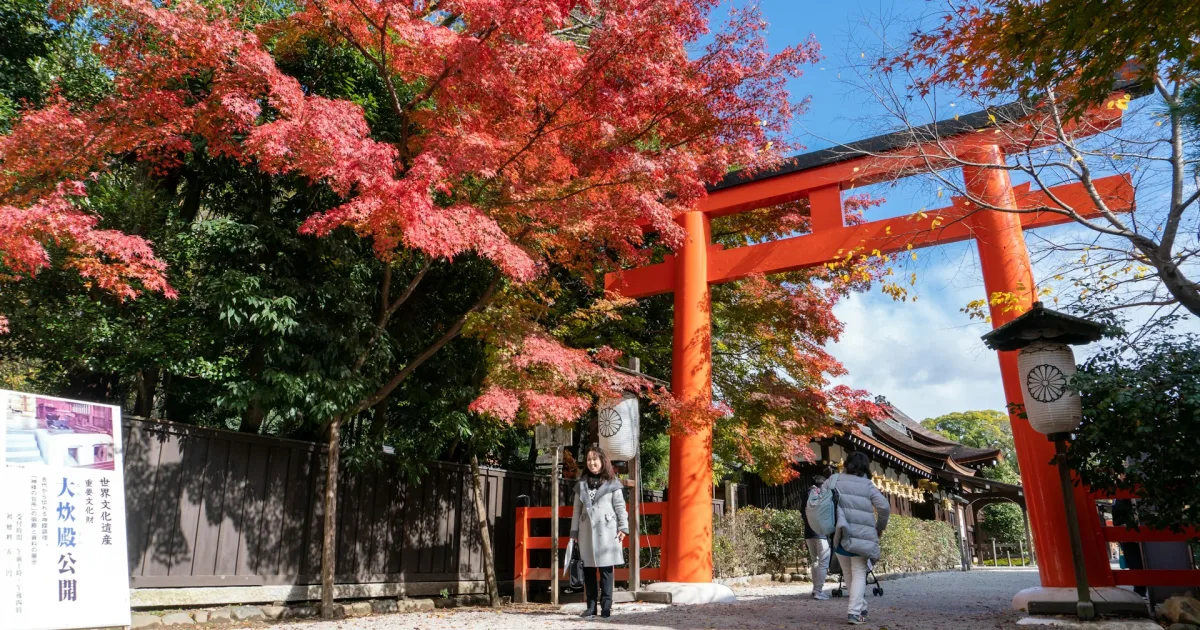
Japan is one of the world's most rewarding travel destinations — and one of the most demanding to pack for. In a single trip you might experience cherry blossom picnics in Tokyo, snowy temples in Kyoto, and beachside seafood in Osaka, all within the same week. The seasons are distinct, the culture has specific etiquette around clothing, and the sheer volume of walking will test any footwear choice. This Japan packing list covers everything you need for a smooth, comfortable, and culturally respectful trip.
For a personalised Japan packing list based on your travel dates, itinerary, and group, use the free AIPackList tool. The AI Trip Advisor can also recommend specific hotels, restaurants, and day trips for your Japan itinerary.
Understanding Japan's Seasons Before You Pack
Japan's climate varies dramatically by season and region. Getting this right is the single most important packing decision you'll make.
Spring (March to May)
Cherry blossom season runs from late March through mid-April and is Japan's most popular travel period. Days are mild (12–20°C) but mornings and evenings can be cool. Layer up. Rain is possible throughout spring — a compact umbrella is essential.
Summer (June to August)
Hot, humid, and rainy. June and July bring the rainy season (tsuyu) with frequent heavy downpours. August is hot and sticky with temperatures reaching 35°C in Tokyo and Osaka. Pack breathable, moisture-wicking fabrics and prepare for serious humidity.
Autumn (September to November)
One of the best times to visit. Temperatures are comfortable (15–25°C), humidity drops, and autumn foliage turns Japan's mountains and temples spectacular. Similar layering approach to spring.
Winter (December to February)
Tokyo winters are cold but dry (2–10°C). Hokkaido and the Japan Alps receive heavy snow. Kyoto gets light snow occasionally. Pack a proper winter coat, thermals, and waterproof boots if travelling north or visiting ski areas.
Clothing for Japan
Japan has no strict dress code for tourists at most temples and shrines — unlike some other Asian destinations, covering shoulders and knees is not universally required. However, dressing neatly is culturally appreciated, and comfort for extensive walking is essential.
Everyday clothing
- Comfortable walking trousers or jeans (x2) — you will walk 15,000–25,000 steps per day in cities like Tokyo and Kyoto
- T-shirts or casual shirts (x4–5) — breathable fabrics for summer; layering pieces for spring and autumn
- Light jacket or hoodie (x1) — for cool evenings, air-conditioned trains and restaurants
- Waterproof or packable jacket (x1) — essential year-round; Japan's rain is serious
- Smart casual outfit (x1) — for nicer restaurants; Japan's dining culture is somewhat formal
- Underwear and socks (x5–7) — moisture-wicking for summer
Temple and shrine clothing
Most Japanese temples and shrines do not require covered shoulders or knees for visitors. However, some specific sites — particularly Zen temples offering meditation experiences — may have stricter requirements. A light scarf or jacket covers most situations.
Winter clothing (December to February)
- Thermal base layers (x2) — Japanese department stores sell excellent heat-tech base layers very cheaply
- Mid-layer fleece or jumper (x2)
- Heavy winter coat — a down jacket is ideal; compresses well
- Warm hat, gloves, and scarf
- Waterproof boots — for snow in northern Japan and mountain areas
The most important clothing rule for Japan
Wear slip-on shoes or shoes that are easy to remove. You will take your shoes off constantly — at traditional restaurants, ryokan (Japanese guesthouses), some temples, and private homes. Shoes with complicated laces or buckles become exhausting very quickly.
Footwear for Japan
- Comfortable walking shoes or trainers — your most important choice; choose footwear you've already broken in
- Slip-on shoes or loafers (x1) — for restaurants, ryokan, and temple visits
- Sandals or flip-flops — for summer, onsen facilities, and casual evenings
Do not bring new shoes to Japan. The walking distances are brutal on untested footwear.
Technology and Electronics
Japan uses Type A sockets at 100V — the same plug as the US, but slightly lower voltage. Most modern devices (phones, laptops, cameras) handle 100–240V automatically, so a plug adapter rather than a voltage converter is sufficient for most travellers.
- Plug adapter (Type A) — no converter needed for most modern devices; UK and European travellers need an adapter
- Portable power bank — charging opportunities in public are limited compared to other countries
- Camera with spare batteries — Japan is extraordinarily photogenic
- IC card or Suica card — a rechargeable transit card used on trains, buses, and convenience stores nationwide; get one at the airport on arrival
- Pocket WiFi or SIM card — essential for navigation; book before you travel for the best rates
Money and Documents
Japan remains a predominantly cash society, which surprises many visitors. Even in Tokyo, many restaurants, smaller shops, and vending machine-heavy areas require cash. Always carry sufficient yen.
Money essentials
- Japanese Yen (JPY) in cash — carry 10,000–20,000 yen at all times
- 7-Eleven ATM or Japan Post ATM card access — these reliably accept foreign cards; many other ATMs do not
- Credit card (Visa or Mastercard) — increasingly accepted but not universal
- IC card (Suica/Pasmo) — works on nearly all public transport nationwide
Documents
- Passport — valid for at least 6 months beyond travel dates
- Visa — most Western nationalities enter Japan visa-free for 90 days; check requirements for your passport
- Travel insurance — Japan's healthcare is excellent but expensive for foreigners without insurance
- JR Pass (if applicable) — the Japan Rail Pass must be purchased outside Japan; print or save your exchange order
- Hotel and tour confirmations — saved offline
Health and Toiletries
Japan's pharmacies (drugstores) are excellent and well-stocked, but product labels are in Japanese. Bring any specific medications from home with clear labelling.
Medications
- Prescription medications — some Western medications are banned in Japan; check the Japanese Embassy website for your country before travelling
- Pain relief (ibuprofen, paracetamol)
- Antihistamines — cedar pollen season (February to April) is severe in Japan; even non-allergy sufferers sometimes react
- Blister plasters — mandatory given the walking distances
- Hand sanitiser
Toiletries
- Deodorant — Japanese deodorants are milder; bring your preferred brand if you rely on strong antiperspirant
- Sunscreen — Japanese sunscreens are actually world-class and cheaper than importing; buying locally is a good option
- Feminine hygiene products — widely available in Japanese pharmacies
- Small towel — many public facilities and cheaper guesthouses don't provide them
Japan-Specific Packing Tips
- Pack light and use Japan's luggage forwarding service (takuhaibin) — you can send your main luggage ahead to your next hotel for around ¥1,500–2,000. This means you only carry a daypack between cities. Extremely popular with Japan visitors.
- Bring a small day bag — Japanese convenience stores (konbini) sell everything you might need, so a small bag for daily essentials is sufficient.
- Carry your own chopsticks — reduces plastic waste and is well-regarded culturally.
- Bring a small umbrella or buy one — compact umbrellas cost ¥500–800 at any convenience store. Many visitors buy one on arrival.
- Carry small denomination coins — vending machines, coin lockers at train stations, and some temple entry fees are coin-only.
- Pack a small backpack for day use — not a wheeled carry-on; Japanese public transport is crowded and large bags are inconsiderate.
What Not to Pack for Japan
- Revealing clothing — not prohibited, but Japan's modest dressing culture means very short shorts or low-cut tops attract attention in conservative areas
- Heavily tattooed visible skin — many onsen (hot springs) still ban visible tattoos; cover-up patches or private baths are available
- Oversized luggage — bullet train overhead racks and ryokan rooms are small; a 70L+ suitcase creates real problems
- Too many clothes — coin laundry is cheap, fast, and everywhere in Japan; pack for 5–7 days maximum and wash as needed
Frequently Asked Questions
Do I need to cover up at Japanese temples and shrines?
Most Japanese temples and shrines do not require covered shoulders or knees for tourists. A few Zen temples with meditation programs may ask for modest dress. A light jacket or scarf carried in your bag covers any situation that arises.
Is Japan a cash-only country?
Not entirely, but cash is essential. Many smaller restaurants, izakayas, market stalls, and rural facilities are cash-only. Always carry at least 10,000–15,000 yen. Card acceptance has improved significantly in recent years but cannot be relied upon universally.
What should I pack for visiting an onsen in Japan?
Onsen (hot spring baths) are used completely naked — no swimwear. You need a small towel (usually provided or purchasable at the facility), toiletries, and a change of clothes for after. Many ryokan provide a yukata (light cotton robe) for guests to wear around the property.
Do I need a JR Pass for Japan?
It depends on your itinerary. For multiple Shinkansen (bullet train) journeys between cities — Tokyo to Kyoto, Osaka to Hiroshima — a JR Pass saves significant money. For Tokyo-only trips, a Suica IC card is sufficient. Calculate your expected train costs before purchasing.
Can I use AIPackList to create a Japan packing list?
Yes — enter your Japan travel dates, group size, and planned destinations into the free tool at AIPackList.com for a customised checklist. The AI Trip Advisor can recommend specific activities, restaurants, and day trips based on your itinerary.
🎒 Ready to pack smarter?
Use our free AI-powered packing list generator — personalized for your trip, group size and destination.
Try Free Packing Tool →
✨ AI Trip Advisor